What Types of Materials Can and Cannot Go in a Roll-Off Container in Louisiana
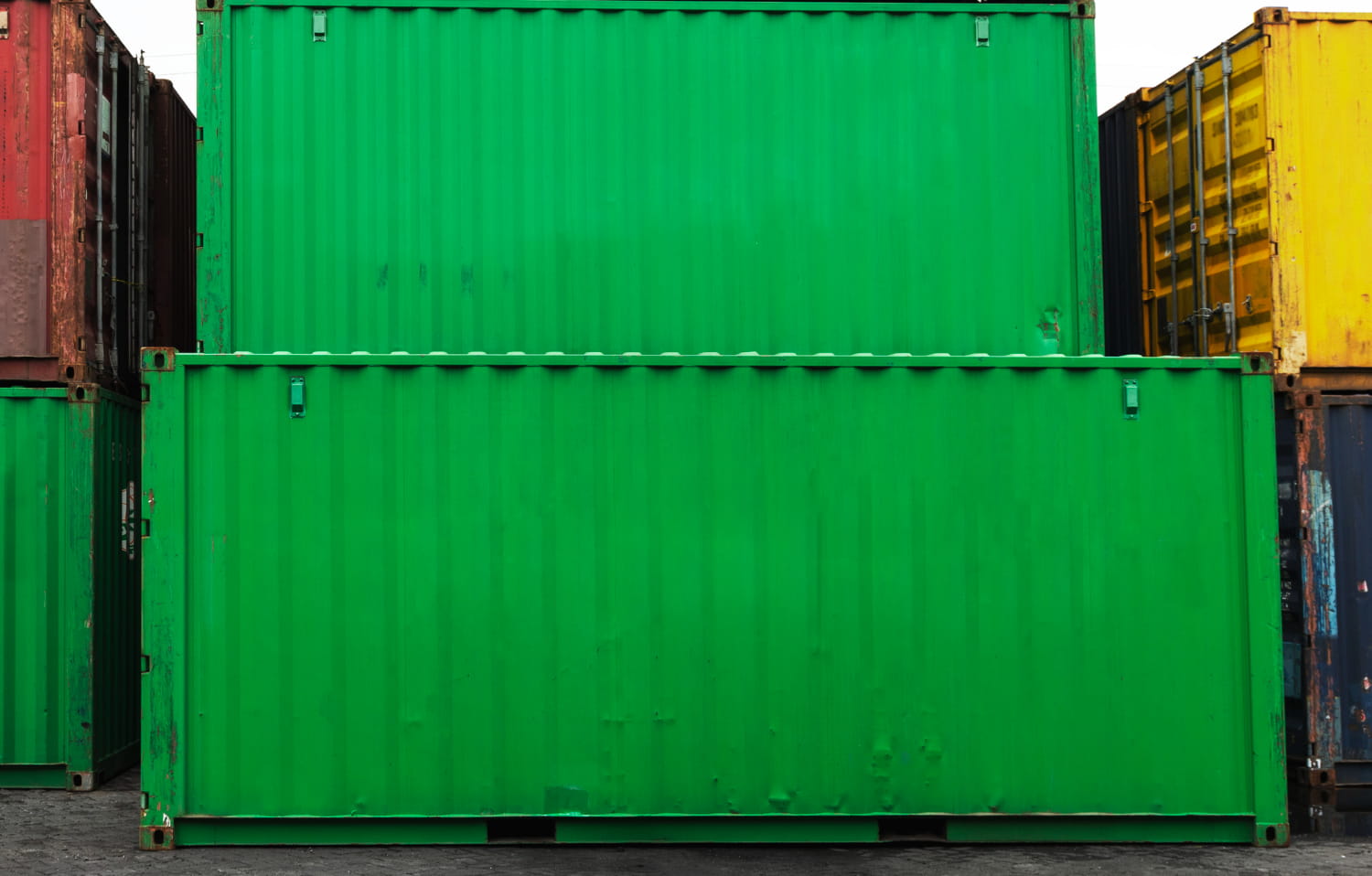
Roll-off containers are one of the most convenient ways to handle large-scale waste during construction, remodeling, cleanup projects, roofing jobs, and commercial work. But not everything can legally or safely be thrown into a roll-off container — especially in Louisiana, where environmental regulations and disposal rules help protect waterways, wildlife, and public health.
Understanding what materials are allowed — and what must be kept out — helps you avoid fines, delays, and safety risks.
Below is a simple guide to what can and cannot go in a roll-off container in Louisiana.
Materials That Can Go in a Roll-Off Container
Many common household, construction, and demolition materials are permitted. These include:
✔ Construction and Demolition Debris
Most non-hazardous building materials are allowed, such as:
- Wood and lumber
- Drywall and plaster
- Flooring and tiles
- Roofing shingles
- Bricks, blocks, and concrete
- Siding materials
- Non-contaminated insulation
These items are typical on job sites and can be safely disposed of in a roll-off unit.
✔ Household Junk and General Waste
When cleaning out a home, rental property, or storage space, you can usually dispose of:
- Furniture
- Mattresses
- Clothing
- Toys
- Books and papers
- Non-electronics household trash
Just avoid mixing in hazardous substances like chemicals or batteries.
✔ Yard Waste
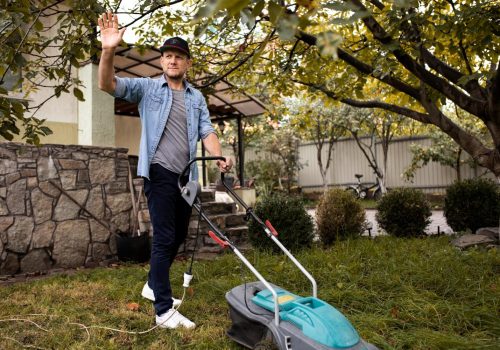
Landscaping projects often generate large amounts of debris. The following are generally allowed:
- Tree branches and limbs
- Leaves and grass
- Shrubs and bushes
- Small logs (within size limits)
Yard waste should be free of soil contamination and large stumps unless otherwise approved.
✔ Metal and Scrap
Most metal items can go in a roll-off, including:
- Pipes
- Metal furniture
- Car parts (without fluids)
- Appliances that do not contain refrigerant
If refrigerant is present, it must be properly removed before disposal.
Materials That Cannot Go in a Roll-Off Container
Some materials are banned due to environmental, health, or safety risks. These restrictions are especially important in Louisiana due to wetlands, coastal ecosystems, and storm-related runoff.
❌ Hazardous and Chemical Waste
The following items are not allowed:
- Paints, stains, and varnishes (unless fully dried)
- Solvents and thinners
- Pesticides and herbicides
- Cleaning chemicals
- Pool chemicals
- Corrosive or toxic liquids
These materials must go to certified hazardous waste facilities.
❌ Batteries
All types of batteries — including car, lithium, and rechargeable batteries — are prohibited because they contain corrosive and explosive chemicals.
❌ Tires
Whole tires are not allowed in most roll-off containers in Louisiana. Tire recycling programs handle them separately.
❌ Medical or Biohazard Waste
This includes:
- Needles and sharps
- Pharmaceuticals
- Medical equipment exposed to bodily fluids
These materials require specialized disposal.
❌ Electronics (in many locations)
E-waste often contains mercury and lead. Items such as:
- TVs
- Computers and laptops
- Printers
- Monitors
are often restricted, so always confirm before disposal.
❌ Refrigerators and AC Units
Because they contain refrigerant (Freon), these must be processed through certified recycling programs.
❌ Gasoline, Oil, and Automotive Fluids
Flammable substances pose serious fire and environmental hazards. Drain and properly dispose of these fluids before placing auto parts in a roll-off container.
❌ Asbestos or Contaminated Materials
Any material suspected of containing asbestos must be professionally handled — never disposed of casually.
Louisiana-Specific Considerations
Louisiana landfills follow state and federal environmental guidelines designed to protect:
- Groundwater
- Wetlands and marshes
- Wildlife
- Public health
Because flooding and storms can spread waste into water systems, hazardous material control is especially important.
Always verify materials in advance to avoid fines or container rejection.
Why Proper Sorting Matters
Putting prohibited materials into a roll-off container can lead to:
- Extra disposal fees
- State or local fines
- Environmental harm
- Delays in project completion
- Safety risks for workers and haulers
Working with an experienced roll-off provider such as Refuse Fab helps ensure you’re following the correct disposal rules while keeping your site efficient and compliant.
When in Doubt Ask Before You Load
If you’re ever unsure whether something is allowed, contact your waste service provider before placing it in the container. It’s always better to confirm rather than risk penalties or environmental damage.
Professional teams like Refuse Fab can guide you on proper waste handling, recycling options, and the best roll-off size for your project.
Final Thoughts
Roll-off containers make waste removal simple and efficient but only when used correctly. Knowing what materials can and cannot go in a roll-off container in Louisiana helps protect your community, avoid legal issues, and keep disposal safe and responsible.
Sort your waste carefully, follow state guidelines, and rely on professional support when needed and your cleanup or construction project will run smoothly from start to finish.